12 Content Marketing Examples (and What Makes Them Work)

Content marketing examples are real campaigns that grow an audience by giving away useful information instead of running hard-sell ads. Content marketing means a strategy where you publish blogs, videos, guides, and tools that attract buyers before they are ready to buy. The strongest examples of content marketing (HubSpot's blog, Spotify Wrapped, GoPro's user-generated clips) share three traits: a clear audience, a repeatable format, and a measurable business outcome.
This matters because content marketing costs about 62% less than outbound marketing while generating roughly three times as many leads, according to Demand Metric. The examples below show exactly what that looks like across blogs, video content, data, and user generated content, and what you can copy for your own brand.
What content marketing examples actually teach you
Studying the best content marketing examples saves you time. You see what formats compound, which channels fit which audience, and how brands turn free content into revenue. You skip the guesswork and start from proven patterns.
These examples of content span every content type: blog content, video content marketing, social media content, podcast episodes, and user generated content. Each one solves a real problem for a real reader, which is why it works.
You will notice the same lesson repeat. The winners are not lucky. They pick one job to do for one audience, then repeat it until the results stack up. That discipline, not budget, is what separates a good content marketing strategy from noise.
What makes a good content marketing example
Before the list, here is the filter. Not every viral moment is worth copying. A strong example proves three things: it knows its audience, it uses a repeatable format, and it ties to a business goal you can measure.
Clear audience and job-to-be-done
Great content marketing starts with a person and a problem. HubSpot writes for marketers who need to generate leads. NerdWallet writes for people comparing financial products. When you know the reader, the topic picks itself.
The job-to-be-done matters as much as the demographic. Someone searching "how to write a blog content brief" wants a template, not a lecture. Match the format to that job and your content earns trust fast.
A repeatable format, not a one-off stunt
A single viral video is not a content marketing strategy. The examples that build growth use a format they can run again and again. Tasty makes overhead recipe videos every week. Ahrefs publishes original research on a schedule.
Repeatability is what turns content into a system. When you can produce the same type of content on autopilot, quality rises and costs drop. One-off stunts get attention but rarely build an audience over years.
Measurable outcome tied to a business goal
Vanity metrics feel good, but revenue pays the bills. The best content marketing campaigns connect to a goal: sign-ups, leads, organic traffic, or brand recall. If you cannot measure it, you cannot scale it.
Every example below has an outcome. Some drive search traffic, some drive social shares, some drive product sign-ups. The lesson is to pick your metric first, then build content that moves it.
12 content marketing examples (and what makes them work)
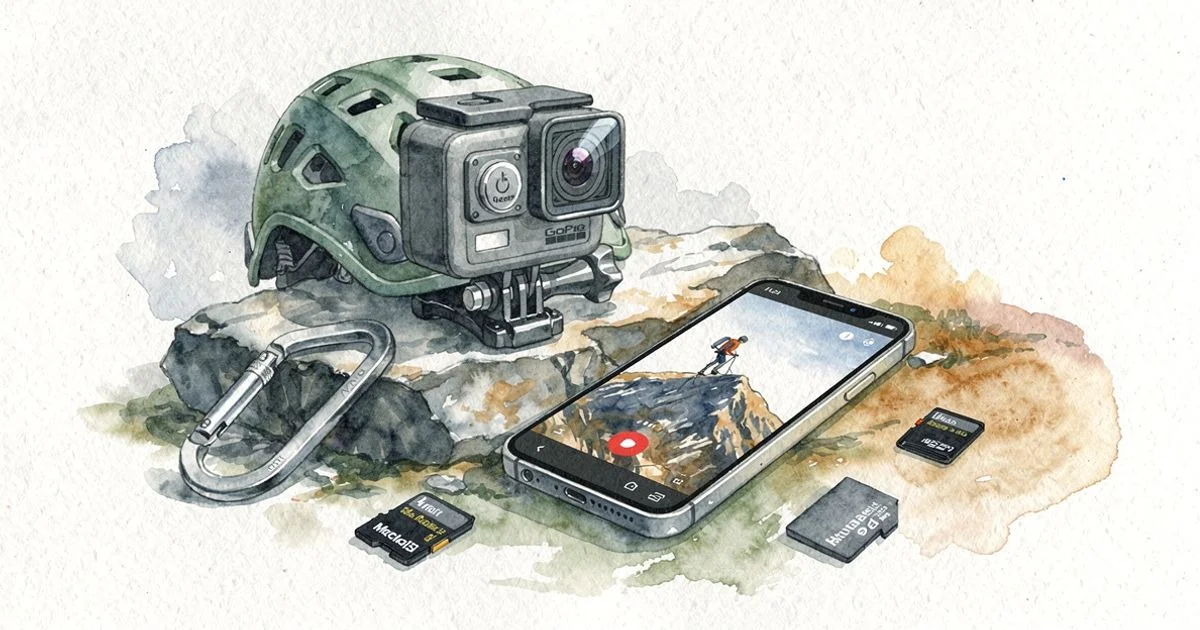
Here are 12 content marketing examples across blogs, video, data, social media, and user generated content. Each includes context, what the brand did, the outcome, and a takeaway you can copy today.
HubSpot: educational blog that built an inbound category
Context: HubSpot sells marketing and sales software. Its buyers are marketers who need to prove that content beats cold outreach.
What they did: HubSpot published a free blog, guides, and tools that teach marketers how to attract customers. According to HubSpot, its free blog and inbound resources helped define the inbound marketing category itself.
Outcome: The blog became one of the most-visited marketing sites on the web, feeding a steady stream of qualified leads into HubSpot's product. Education first, product second.
Takeaway: Teach your buyer the skill your product supports, and you own the category conversation.
NerdWallet: money guides that win high-intent search
Context: NerdWallet earns money when readers sign up for financial products. It needs to reach people at the exact moment they compare options.
What they did: NerdWallet built thousands of guides answering money questions: best credit cards, mortgage rates, how to invest. Each guide targets a high-intent search query.
Outcome: This SEO-driven blog content drives huge organic traffic and referral revenue, because a reader searching "best travel card" is close to acting.
Takeaway: Map your content to searches people make right before they buy. High-intent beats high-volume.
Tasty: overhead recipe videos built for social feeds
Context: BuzzFeed's Tasty needed a video content marketing format made for how people scroll, not for TV.
What they did: Tasty created fast, top-down recipe videos that work with the sound off. The format fits Facebook and Tasty's YouTube channel, where autoplay rewards visual clarity.
Outcome: These short videos racked up billions of views and built a massive social media following, all from a single repeatable visual content format.
Takeaway: Design your video content for the feed it lives in, not the platform you wish it lived on.
Blendtec: 'Will It Blend?' product demo as entertainment
Context: Blendtec sells blenders, a product category nobody finds exciting. The brand needed attention on YouTube.
What they did: The founder blended things people never blend: an iPhone, marbles, a rake handle. "Will It Blend?" turned a boring product demo into entertainment.
Outcome: The series went viral, lifted brand awareness sharply, and drove real sales growth, all on a small budget. It is the classic risky bet that paid off.
Takeaway: A dull product can become video content people share if you make the demo genuinely fun to watch.
Spotify Wrapped: personalized data as shareable content
Context: Spotify wanted a content moment that users would spread for free every year.
What they did: Spotify Wrapped turns each listener's own data into a shareable, personalized recap of their year. It is original research about you, packaged as visual content built for social media.
Outcome: Every December, millions post their Wrapped screens across social feeds, giving Spotify a wave of free user generated content and reminding lapsed users why they love the app.
Takeaway: Give people data about themselves and they will market your brand for you.
GoPro: user-generated action clips as free advertising
Context: GoPro sells cameras to people who film adventures. Its best marketing is footage from real customers.
What they did: GoPro built a content engine around user generated content, resharing customer clips of surfing, skiing, and skydiving. It ran hashtag campaigns and awards to fuel submissions.
Outcome: A constant stream of user generated content examples act as free advertising, proving product quality more convincingly than any studio ad could.
Takeaway: When your product creates great content, your customers become your content team.
Patagonia: journalistic storytelling over product pitches
Context: Patagonia sells outdoor gear to buyers who care about the planet as much as the product.
What they did: Patagonia publishes documentary films, essays, and activism campaigns about the environment. The content rarely mentions jackets. It tells stories that match its buyers' values.
Outcome: This storytelling built fierce loyalty and a brand that feels like a cause, driving long-term growth without hard selling.
Takeaway: If your audience shares a value, lead with stories about that value, not your catalog.
Canva: template-driven content and design school
Context: Canva helps non-designers create visual content. Its buyers need to learn design basics fast.
What they did: Canva paired free templates with Design School, a hub of courses, tutorials, and a guide to layout, color, and branding. The content teaches the exact skill the product delivers.
Outcome: Templates and tutorials pull in millions of searchers and turn beginners into loyal users, feeding steady product growth.
Takeaway: Pair a free template with a lesson on how to use it, and you remove the reason people bounce.
Ahrefs: original research and product-led blog
Context: Ahrefs sells SEO software to marketers who trust data. Generic advice will not convince them.
What they did: Ahrefs runs a blog full of original research and studies, using its own data to answer questions like how often pages rank on page one. Its tutorials naturally show the product at work.
Outcome: The blog became a go-to resource in SEO, driving sign-ups because the content proves the tool's value while teaching. This is a strong content marketing for SaaS model.
Takeaway: Turn your product's unique data into original research nobody else can publish.
Notion: community templates and user-generated workflows
Context: Notion is a flexible workspace, which can overwhelm new users who face a blank page.
What they did: Notion leaned on its community to create and share templates and workflows. Users post setups for budgets, content calendars, and CRMs. This user generated content shows newcomers what is possible.
Outcome: Community templates lowered the learning curve and spread Notion across teams organically, one shared workspace at a time.
Takeaway: Let power users create content that shows the rest of your audience how to start.
Zapier: SEO blog scaled across thousands of use cases
Context: Zapier connects apps. Every app pairing is a potential search query someone types.
What they did: Zapier scaled blog content across thousands of specific use cases: "connect Gmail to Slack," "automate Trello with Google Sheets." Each post targets a niche query and shows Zapier solving it.
Outcome: This programmatic SEO approach drives enormous organic traffic and captures buyers at the exact moment they need automation. Another sharp content marketing for SaaS play.
Takeaway: If your product serves thousands of small use cases, publish content for each one.
Mailchimp: small-business resource hub and courses
Context: Mailchimp serves small businesses that need marketing help beyond email.
What they did: Mailchimp built a resource hub of guides, courses, and even a short film series on entrepreneurship. The content covers email marketing, digital marketing, and running a business.
Outcome: Positioning itself as a small-business ally, Mailchimp deepened loyalty and expanded beyond a single product into a trusted brand.
Takeaway: Support your customer's whole goal, not just the slice your product covers.
How to apply these lessons to your own content
These marketing examples span big brands and lean startups, but the playbook is the same at any size. You do not need Spotify's budget. You need one format, one keyword strategy, and one metric. Here is how to start.
Pick one format you can repeat weekly
Do not chase every content type at once. Choose one you can sustain: a weekly SEO guide, a short video, a customer story, or a data recap. Consistency beats variety every time.
Tasty picked overhead videos. Ahrefs picked data studies. Their edge came from repetition, not range. Pick the format that fits your team and your product, then commit to shipping it on a schedule.
Think about content marketing examples by content type. Blog and long-form guides win search. Video content marketing wins social feeds. Podcasts build depth. User generated content builds trust. Choose the one your audience already consumes.
Anchor every piece to a keyword or AI query
Every strong example answers something people search. NerdWallet and Zapier target keywords. In 2026, you also want to answer the questions people ask ChatGPT and Perplexity, because AI answer engines now send real traffic.
Before you write, pick the exact query. Then structure your content to answer it directly in the first lines. This makes you eligible for AI Overviews and featured snippets, where citations happen.
Cover content marketing examples by business goal too. Want leads? Write guides. Want awareness? Make shareable video. Want sign-ups? Publish product-led tutorials. Match the format to the outcome you need.
Measure the metric that maps to revenue
Pick one metric that ties to money: organic sign-ups, qualified leads, or product-attributed revenue. Track it monthly. Views and likes are fine signals, but they are not the goal.
According to Demand Metric, content marketing costs 62% less than outbound while generating about 3x as many leads. That gap only shows up if you measure leads, not applause. Anchor your reporting to the number your CFO cares about.
Interactive content and tools, like calculators or quizzes, often convert better than static posts because they capture intent. If your goal is leads, an interactive tool paired with a guide is a smart bet.
FAQs
What is content marketing?
Content marketing is a strategy that shares free, valuable content (blogs, videos, guides, tools) to attract and build trust with an audience, so they buy from you later instead of being pushed by ads. The examples in this article show it working across blogs, video, and user generated content.
What are the five C's of content marketing?
The five C's are Clarity, Conciseness, Compelling, Credible, and Call to action. In practice, every strong example here is clear about its audience, concise in format, compelling enough to share, credible with real data, and ends with a next step.
What is the 70-20-10 rule in content marketing?
The 70-20-10 rule suggests spending 70% of your effort on proven content that reliably works, 20% on adapting successful formats to new topics, and 10% on experimental ideas. Blendtec's 'Will It Blend?' series is a good example of the risky 10% that paid off.
Can you give me 10 content marketing ideas?
Yes: an SEO how-to guide, an original data report, a short-form recipe or demo video, a customer story, a free template, an interactive calculator, a podcast interview, a year-in-review data recap like Spotify Wrapped, a user-generated hashtag campaign, and an email course. Pick one you can repeat weekly and stick with it.
How much content do you need to see results?
Consistency matters more than volume, but most tech brands need to publish steadily for several months before organic traffic compounds. Zivooo publishes 30 optimized posts a month on autopilot, so you focus on your product while the content stacks up.
Conclusion: turn these examples into your playbook
The best content marketing examples are not magic. They repeat a proven pattern: know your audience, pick a format you can produce again and again, and tie every piece to a metric that maps to revenue. That is the entire playbook.
Look at the list again. HubSpot taught its buyers. Zapier scaled across use cases. Spotify handed people their own data. GoPro let customers do the filming. Different content types, one shared discipline. You can copy any of these tomorrow.
Start small. Choose one format, anchor it to a real query, ship it weekly, and measure the number that matters. In a few months the traffic compounds, and you have a system instead of a scramble.
If you want to build a repeatable content engine like the examples above without stitching tools together, Zivooo gives you 30 research-backed blog posts a month, human editorial review, 40+ factor SEO, GEO, and AEO optimization, custom AI images, and high-DR backlinks. It is a practical option for tech founders who want to grow organic traffic from Google, ChatGPT, and Perplexity on autopilot.
Author Details

Muntasir Rashid
Hello 👋 I’m Muntasir, founder of Zivooo and a content marketer with 20+ years of hands-on experience in marketing, growth, and building businesses.
I’ve spent the last two decades marketing my own ventures and helping clients grow through content, SEO, and digital marketing. Along the way, I’ve learned that the best strategies rarely come from theory, they come from testing, experimenting, failing, and figuring out what actually works.
Content marketing and growth are my forte. Here, I share practical insights, experiments, and lessons from the trenches covering SEO, GEO, AEO, AI search, and growth strategies for modern tech companies.
Keep learning, keep growing
We have more articles on similar topics to help grow your business.

What Is Content Marketing? A Plain-English Reference
Content marketing is a strategy of creating useful content to attract and build trust with an audience before selling.


B2B SEO Marketing: How Search Turns Into Pipeline
B2B SEO marketing targets high-intent keywords to reach corporate buyers through search.