SEO Advice That Matters: What Moves Rankings and Citations

Last updated October 2026
Which SEO advice actually matters?
SEO advice is guidance on how to get your pages found in search. The SEO advice that actually matters comes down to three things. First, match the search intent behind each keyword. Second, earn authority through quality content and backlinks. Third, keep your website technically easy for search engines to crawl.
Most sites skip at least one of these. That helps explain why, according to Ahrefs, 96.55% of pages get no organic search traffic from Google. Publishing more pages without fixing all three pillars rarely changes that result.
The same advice now also decides whether ChatGPT, Gemini and Google AI Overviews cite you. Clear answers, real stats and schema markup count as much as keywords. This guide explains each pillar, shows examples that move rankings, and gives you a simple order of work so you can get started this week.
What is SEO advice?
SEO advice refers to specific recommendations for improving how a page ranks in Google and other search engines. Good advice tells you what to change, why it matters, and how to check that it worked. Weak advice just repeats rules without context, so you end up doing work that never shows up in your rankings or traffic.
Advice vs generic checklists
A generic checklist says "add your keyword to the title." Real advice says "your title targets a commercial keyword, but the SERPs show only how-to guides, so rewrite it as a guide." The checklist might tick a box, but it won't build rankings. Advice is tied to your site, your competitors and the intent behind the search.
Checklists still have a place. They help you catch missing alt text or broken links. But they treat every page the same, and Google does not. Use checklists for hygiene and use advice for decisions about what to build next.
The three pillars: relevance, authority, technical structure
Nearly every useful piece of SEO advice fits into one of three pillars. Knowing which pillar a tip belongs to helps you judge whether it fixes your actual problem:
- Relevance: does your page answer what the searcher actually wants?
- Authority: do other sites, and Google's quality systems, trust you on this topic?
- Technical structure: can Google crawl, render and index the page quickly?
If a page fails one pillar, strength in the other two rarely saves it. A brilliant article on a site Google cannot crawl will not rank. A fast, well linked page that misses the intent will not rank either.
Why good SEO advice matters for your traffic
Search is still the biggest traffic source most businesses have. According to BrightEdge Research, organic search drives 53% of all trackable website traffic. That makes the quality of your SEO advice a direct input to revenue, not a side project for the marketing team.
Most pages get no search traffic at all
The Ahrefs finding that 96.55% of pages get no organic traffic is a warning. Publishing alone does not create traffic. Most of those pages target keywords nobody searches, miss the intent, or have no backlinks. Good advice helps you avoid joining that majority by choosing winnable topics and building pages that deserve to rank.
Position also matters a lot. According to Backlinko, the #1 organic result in Google gets about 27.6% of all clicks. Moving from the bottom of page one to the top can change a page from a minor source of visits into a main one.
Bad advice costs time you do not have
Founders and small teams rarely have spare hours. Following outdated SEO advice, like stuffing exact-match keywords or buying cheap links, burns those hours and can trigger penalties. Every week spent on the wrong fix is a week your competitors spend on the right one.
The fix is simple: ask which pillar a tip improves and how you will measure it. If nobody can answer, skip it.
AI answers now decide who gets seen
Searchers increasingly read an AI summary before they click anything. AI Overviews, Google AI Mode, ChatGPT and Gemini pull answers from pages they trust and can parse easily. If your page is not cited, you may lose the click even when you rank. Modern SEO advice has to cover both blue links and AI systems.
How SEO advice works: relevance, authority and technical health
This section walks through how each pillar works in practice, from keyword research to how AI answers choose sources. Treat it as the core of your SEO strategy, then use the examples later to decide what to fix first.
Relevance: matching search intent
Search intent is the reason behind a query. Most keywords fall into four types:
- Informational: the searcher wants to learn, such as "what is page seo."
- Navigational: they want a specific site, such as "Google Search Console login."
- Commercial: they compare options, such as "best keyword research tools."
- Transactional: they are ready to buy or sign up.
The fastest way to check intent is to search the keyword and study the top ten results. If they are all guides, write a guide. If they are product pages, a blog post will struggle. Match the format, depth and angle Google already rewards, then make yours clearly better.
Long-tail keywords and question-based searches are often the easiest wins. They have lower search volume but clearer intent and lower keyword difficulty. A query like "how often to feed a puppy at night" tells you exactly what to write, unlike a broad term like "puppy."
On page SEO: titles, headings, URLs and alt text
On page SEO covers everything you control on the page itself. Start with title tags and meta descriptions. The title should include your main keyword near the front, describe the page honestly and stay short enough to display fully. The meta description does not directly affect rankings, but a clear one improves clicks.
Use one H1 per page, then H2 to H6 headings in logical order. Headings help readers scan and help search engines understand structure. Keep URLs short and readable, like /seo-advice/, rather than long strings of numbers. Serve every page over HTTPS.
Internal links connect related pages and pass authority across your site. Link from strong pages to pages you want to rank, using descriptive anchor text. For images, write alt text that describes the image, compress files and use modern formats so pages load fast.
Readability counts too. Use short paragraphs, plain words and your keyword where it fits naturally: in the title, the intro, a heading or two and the body. Write people-first content, as Google's guidance on helpful content recommends, rather than content built for a word count.
Off page SEO: backlinks and E-E-A-T
Off page SEO is about signals from outside your site, mainly backlinks. A link from a respected, relevant site tells Google that others trust your content. A handful of strong links usually beats hundreds of weak ones from unrelated directories.
Google's quality guidelines describe E-E-A-T: Experience, Expertise, Authoritativeness and Trust. Show experience with first-hand details, real screenshots and named authors. Mentions on podcasts, YouTube, industry newsletters or a widely shared X post can also build brand authority that supports rankings over time.
Technical SEO: crawling, indexing, speed and mobile
Technical SEO makes sure search engines can find, crawl and index your pages. Submit an XML sitemap, keep robots.txt clean and fix broken internal links. Check the indexing reports in Google Search Console regularly so new pages do not sit undiscovered.
Duplicate content splits ranking signals between near-identical URLs. Use canonical tags to tell Google which version is the main one. Core Web Vitals measure loading, responsiveness and visual stability, all of which shape user experience. Since Google indexes the mobile version of your site, test every template on a phone.
How AI answers pick which pages to cite
AI engines favor pages that answer a question directly, near the top, in plain language. They also lean on clear structure, attributed statistics and structured data that labels what each part of the page means. Pages that are vague or buried under long intros get skipped.
Brand consistency matters as well. If AI systems see conflicting facts about your pricing or features across the web, they may repeat the wrong version. Keeping your own pages accurate and specific gives them a reliable source to quote.
Examples of SEO advice that moves rankings
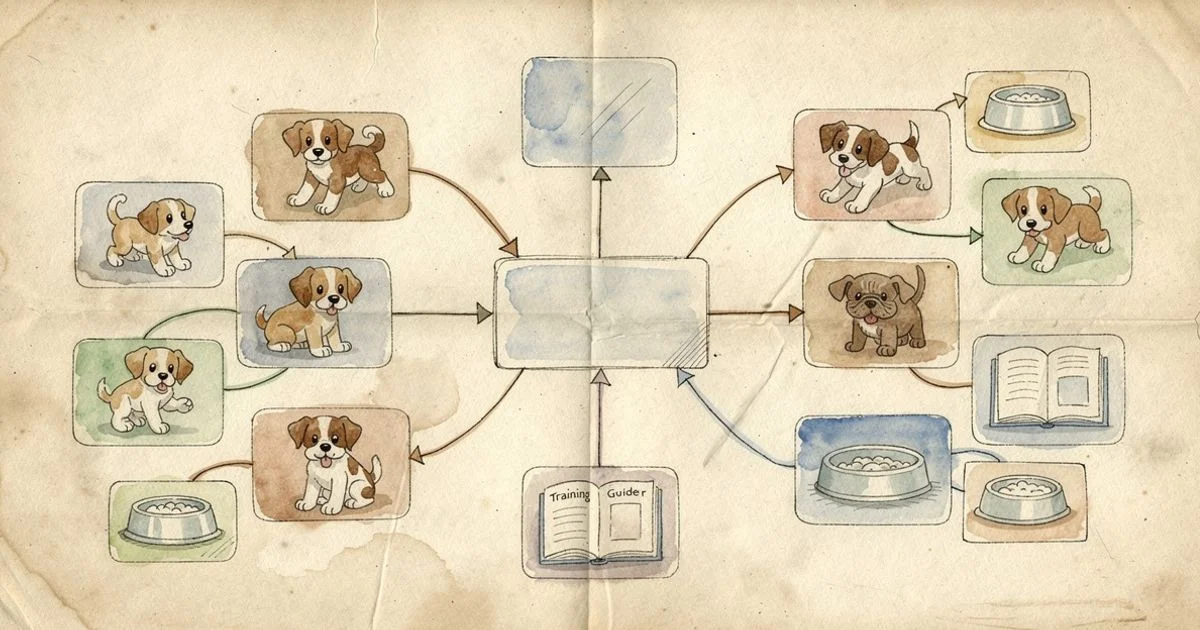
These five pieces of SEO advice show up again and again in sites that grow. Each one targets a specific pillar, so you can match them to your biggest gap.
Build topic clusters instead of one-off posts
Topic clusters group related content around one main pillar page. For a pet brand, a "Puppy Care" pillar might link to posts on feeding, crate training, vaccinations and teething. Each post links back to the pillar and to its siblings.
This structure shows Google you cover the topic in depth, and the internal links spread authority across the cluster. Keyword clustering and topic mapping make the plan concrete: group keywords that share intent into one page, and give different intents their own pages.
Rewrite title tags for intent, not just keywords
A page can rank on page two because its title promises the wrong thing. If searchers want a comparison and your title says "guide," they scroll past. Rewrite the title to mirror what the top results promise, keep the keyword near the start and add a specific angle.
This is one of the cheapest fixes in SEO. You change a single line of text, request a recrawl, and watch clicks in Search Console over the next few weeks.
Refresh decaying content before writing new content
Pages lose rankings as competitors publish fresher answers. Check which pages have dropped in clicks over recent months. Update stats, add missing subtopics, fix outdated screenshots and tighten the intro so it answers the query faster.
Refreshing an existing page keeps its backlinks and history. That usually gives you a faster return than starting a new URL from zero, which is why many teams schedule refreshes before new posts.
Add schema markup and direct answers for AI Overviews
Schema is code that tells search engines what your content is: an article, a product, an FAQ or a how-to. It can earn rich results in the SERPs and helps AI engines parse your page. Use Google's Rich Results Test to check your markup works.
Pair schema with a direct answer in the first paragraph under each key heading. A two or three sentence answer is easy for AI Overviews to quote, and it serves human readers who want the point fast.
Fix crawl errors in Google Search Console
Open the Pages report in Google Search Console and look for pages marked as not indexed. Common causes include accidental noindex tags, redirect chains, server errors and pages blocked by robots.txt. Each one is a page Google cannot show, no matter how good it is.
Fix the cause, then use the URL Inspection tool to request indexing. For sites with many errors, this single task can recover traffic faster than any content work.
SEO advice vs SEO tips, SEO strategy and GEO
People use these terms loosely. Separating them helps you know what kind of help you need and what to expect from it.
SEO tips vs SEO strategy
A tip is a single action, like adding alt text. A strategy is the plan that decides which actions matter, in what order and for which pages. Tips without strategy create busy work. Strategy without tips never ships. Good SEO advice connects the two.
SEO vs GEO and AEO
SEO aims to rank pages in traditional search results. GEO (generative engine optimization) and AEO (answer engine optimization) aim to get your content cited in AI answers. The foundations overlap heavily, but GEO puts extra weight on direct answers, clear facts and brand accuracy.
| Approach | Main goal | Key signals |
|---|---|---|
| SEO | Rank in Google results | Intent match, backlinks, technical health |
| GEO | Get cited in AI answers | Direct answers, attributed stats, structure |
| AEO | Win featured answers and snippets | Question headings, concise answers, schema |
Free advice vs paid SEO consulting
Free SEO advice from blogs, Google's documentation and communities covers most fundamentals well. Paid consulting makes sense when you have a large site, a migration or a penalty you cannot diagnose. Before paying anyone, ask how they will measure results and which pillar they plan to fix first.
What to do next with this SEO advice
You now know what matters. The next step is turning it into a short, ordered plan you can actually run every week.
Start with keyword and AI prompt research
Good keyword research starts with the questions your customers already ask in sales calls and support tickets. Then check search volume, keyword difficulty and competition in a research tool. Pick terms you can realistically win with your current authority.
Run competitor keyword analysis to see which pages bring rivals the most traffic. Add local keywords if you serve a region, and plan seasonal keywords a few months ahead of their peak. Finally, list the prompts people type into ChatGPT or Gemini about your category, since those shape AI answers.
Pick your 80/20 fixes first
Start with the work that returns the most for the least effort. A practical order looks like this:
- Fix indexing and crawl errors so Google can see your pages.
- Rewrite titles on pages ranking on page two.
- Refresh your best performing content that has started to decline.
- Add internal links from strong pages to priority pages.
- Build new topic clusters around winnable keywords.
Track rankings and AI visibility together
Rankings alone no longer tell the full story. Track your positions daily, watch clicks and impressions in Search Console, and check whether AI answers mention your brand for your key prompts. When a page ranks but is never cited, improve its direct answers and structure.
FAQs
What is the best strategy for SEO?
The best SEO strategy is to pick keywords you can realistically win, build topic clusters around them, and write people-first content that answers the query better than the current top results. Support it with clean technical SEO and steady link building. Then refresh pages as rankings shift, because competitors keep publishing and the SERPs keep changing.
What is the 80/20 rule in SEO?
The 80/20 rule in SEO says roughly 20% of your work drives 80% of results. In practice that means fixing indexing errors, improving title tags on pages already ranking on page two, and updating your best content. Those tasks usually beat publishing dozens of new posts, because they build on pages Google already trusts.
Can ChatGPT do SEO?
ChatGPT can help with drafts, outlines and keyword ideas, but it has no live search volume, ranking or competitor data. You still need real keyword research, on page optimization against ranking pages and tracking. Without those, you cannot know if the content works in Google and AI answers or whether it matches the intent searchers have today.
How can I research keywords for SEO?
Start with the questions your customers ask, then use a keyword research tool to check search volume, difficulty and intent. Look at what competitors rank for and note the gaps. Group related terms into topic clusters, and add the AI prompts people type into ChatGPT or Gemini so your plan covers both search and AI answers.
How long does SEO take to work?
Most new pages take three to six months to rank well and show results, depending on competition and your site's authority. Fixes to existing pages, like better titles or technical repairs, can show results in a few weeks once Google recrawls them. That is why quick fixes and new content work best when you run them in parallel.
Conclusion: turn advice into pages that rank and get cited
The SEO advice that lasts is simple: match intent, earn authority and keep your site technically clean. Layer on direct answers, attributed facts and structured data so AI engines can quote you. Then work in 80/20 order, measure every change and refresh what slips.
If you want one place to research keywords and AI prompts, plan clusters from competitor data and track whether Google and AI answers cite you, Zivooo gives you keyword and prompt research, a live editor scoring 40+ SEO, GEO and AEO factors, WordPress and Ghost publishing, daily rank tracking and AI visibility tracking. It is a self-serve SEO, GEO and AEO platform at $10 a domain a month for founders and marketers who want to rank and get cited.
WRITTEN BY

Muntasir Rashid
Hello 👋 I’m Muntasir, founder of Zivooo and a content marketer with 20+ years of hands-on experience in marketing, growth, and building businesses.
I’ve spent the last two decades marketing my own ventures and helping clients grow through content, SEO, and digital marketing. Along the way, I’ve learned that the best strategies rarely come from theory, they come from testing, experimenting, failing, and figuring out what actually works.
Content marketing and growth are my forte. Here, I share practical insights, experiments, and lessons from the trenches covering SEO, GEO, AEO, AI search, and growth strategies for modern tech companies.
Keep learning, keep growing
We have more articles on similar topics to help grow your business.
SEO Keyword Usage: How to Place Keywords Without Stuffing
SEO keyword usage means placing one primary keyword in your URL, title, H1, and intro, then supporting it with variations. Learn how to do it without stuffing.


Why Is Content Marketing Important? How It Earns Customers
Content marketing is important because it builds trust, drives organic traffic, and generates 3x more leads at 62% less cost than traditional marketing.